
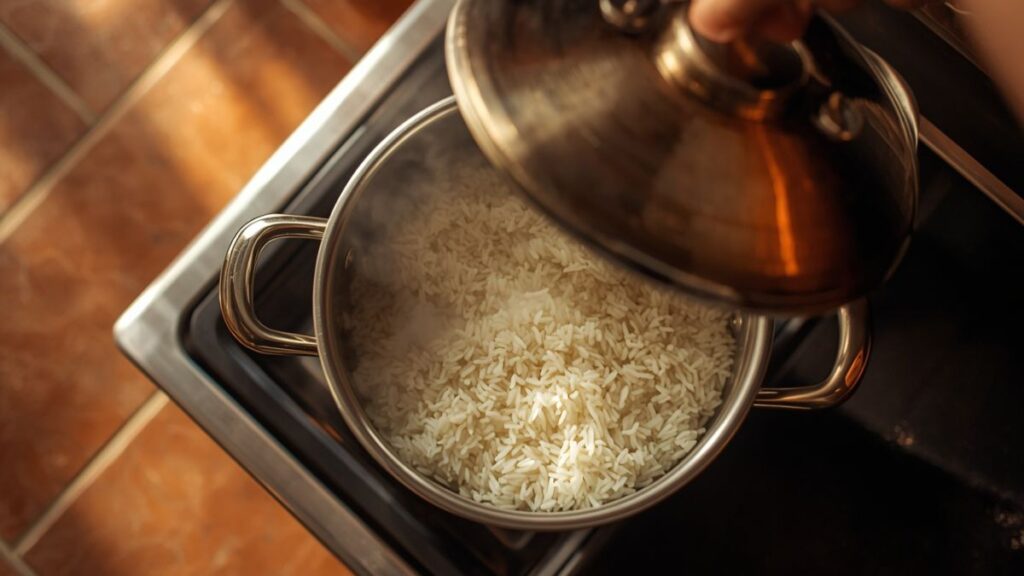
Undercooked rice is one of the most frustrating kitchen mistakes — you lift the lid expecting fluffy, soft grains and instead find hard, crunchy rice that’s nowhere near ready. The good news? This is one of the easiest cooking problems to fix. In most cases, a splash of hot water, a tight-fitting lid, and a few minutes on low heat is all it takes. This guide covers every method — stovetop, microwave, oven, rice cooker, and Instant Pot — so you can rescue your rice no matter how you cooked it.
What Causes Undercooked Rice? (And Why It Happens to Everyone)
Undercooked rice happens when the grains don’t absorb enough moisture during the cooking process. This is one of those kitchen mistakes that even experienced cooks make regularly. Understanding the cause helps you fix it faster and avoid it next time.
Most common reasons rice stays hard or crunchy:
| Cause | What Happens |
|---|---|
| Too little water | Not enough steam to cook grains through |
| Lid opened repeatedly | Steam escapes, moisture is lost |
| Heat too high | Water evaporates before rice absorbs it |
| Removed from heat too early | Grains don’t finish cooking |
| Rice not soaked (Basmati) | Dense grains need longer to hydrate |
| Wrong pot size | Uneven heat distribution in large pots |
| Water-to-rice ratio off | Wrong proportions from the start |
I remember the first time I made rice on my own — I was convinced it would be simple. Water in, rice in, wait. When I sat down to eat, half the grains were soft and the other half were still hard and crunchy. The second attempt wasn’t much better. I kept lifting the lid to check, which is exactly what you shouldn’t do. Every time that lid came off, steam escaped, and the cooking process stalled. Those early kitchen mistakes taught me more than any recipe ever could.
If you struggle with getting the water-to-rice ratio right from the start, our Online Rice to Water Ratio Calculator takes the guesswork out completely.
How to Fix Undercooked Rice — 5 Methods Based on Your Situation
The fastest fix depends on the current state of your rice. Check which situation matches yours and follow that method directly.
Method 1 — Stovetop Steam Fix (Most Common Fix)
This is the go-to quick fix for most cases of undercooked or crunchy rice when you’re cooking on the stovetop. It works whether the water has dried up completely or there’s still a little remaining moisture in the pot.
When to use this: Rice is hard or chewy but not burnt. Water has evaporated.
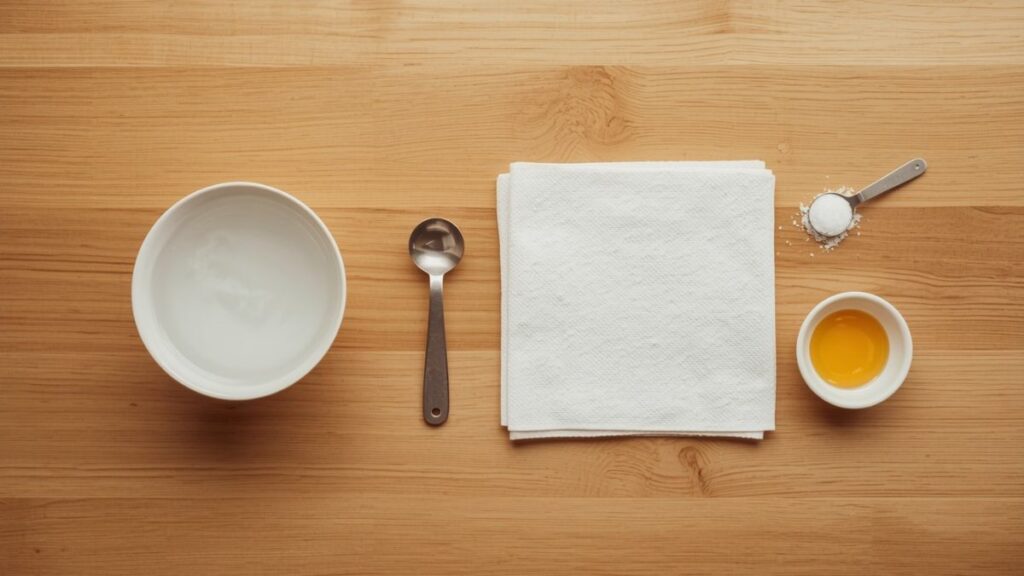
What you need:
- 2 to 4 tablespoons of hot boiling water (not cold — cold water shocks the grains)
- A tight-fitting lid
- Optional: a clean, damp paper towel placed under the lid to add extra steam
Steps:
- Check the rice — if grains are hard but not black or burnt, you can rescue it
- Sprinkle 2 to 4 tablespoons of hot boiling water evenly over the rice — do not pour it all in one spot
- Place a clean, damp paper towel over the top of the rice, then cover with the lid tightly — this creates a steam-sauna effect that penetrates each grain
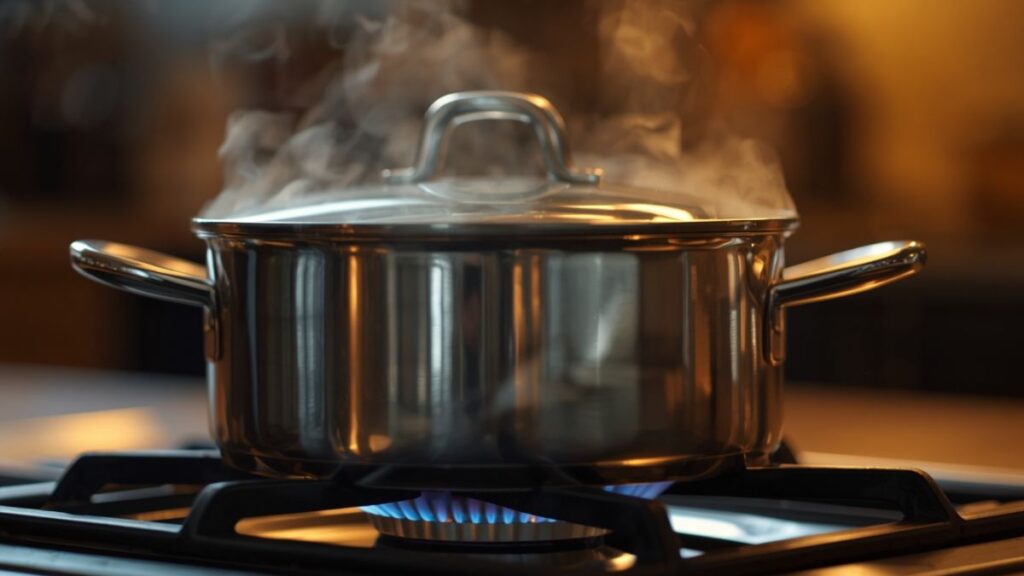
- Turn heat to the lowest setting possible
- Steam for 5 to 10 minutes
- Turn off the heat and let it rest covered for another 5 minutes — this final resting period is what the Pakistani kitchen tradition calls dum, and it makes a genuine difference to texture
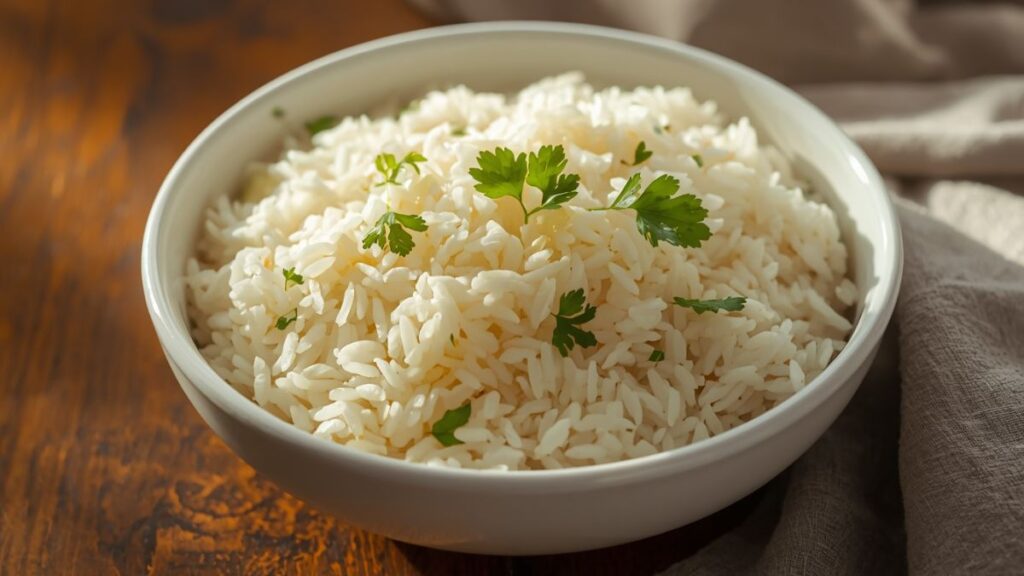
- Fluff with a fork gently — use light lifting motions to keep grains separate
Pro tip: For every 1 cup of uncooked rice originally used, add about 2 tablespoons of water. This ratio prevents you from going too far and creating mushy rice.
Method 2 — Microwave Method (Fastest Fix, Best for Small Portions)
The microwave method is the fastest way to fix undercooked rice, especially when you’re only fixing a single serving or a small portion. The steam inside a covered microwave-safe bowl does the work in under 3 minutes.
When to use this: Small portion, rice is al dente or chewy in the middle, you need a quick fix fast.
Steps:
- Transfer the undercooked rice to a microwave-safe bowl
- Sprinkle 2 tablespoons of water over it
- Cover tightly with plastic wrap or a microwave-safe lid — the seal is important for trapping steam
- Microwave on high for 2 to 3 minutes
- Leave covered for 1 minute after microwaving — let the remaining moisture finish the job
- Fluff with a fork before serving
Important: Do not skip the resting minute. The steam that builds up inside continues cooking the grains even after the microwave stops.
Method 3 — Oven Method (Best for Large Batches)
The oven method uses gentle, dry heat to finish cooking rice without any risk of burning the bottom. It’s the best option when you’re fixing a large batch and want even results throughout.
When to use this: Large quantity of rice, grains are just slightly undercooked, and you want even heat without burning.
Steps:
- Preheat oven to 350°F (177°C)
- Spread rice evenly in a glass baking dish — do not press or pack it down
- Sprinkle 2 to 3 tablespoons of water evenly over the surface
- Cover tightly with aluminum foil — a tight seal holds the steam in
- Bake for 10 minutes
- Check one grain — if still firm, add another minute or two
- Fluff with a fork and serve
This method is particularly useful for large family meals or when you’ve made a full pot of rice for a gathering.
Method 4 — How to Fix Undercooked Rice in a Rice Cooker
Fixing undercooked rice in a rice cooker is even simpler than the stovetop method because the machine is designed to manage moisture and heat precisely.
When to use this: Rice cooker switched to “warm” before rice was fully cooked.
Steps:
- Add 2 to 4 tablespoons of hot water to the rice cooker pot
- Close the lid completely
- Switch back to the “Cook” setting — do not use “Warm.”
- Let it run for another 5 to 10 minutes
- Once it switches back to warm automatically, let it rest for 5 minutes
- Fluff and serve
Common rice cooker mistake: Lifting the lid during the cooking cycle. Every time you open it, steam escapes, and the cooking process is interrupted. Let the machine do its job.
If you want to master your rice cooker settings fully, our guide on Instant Pot Rice Setting covers both rice cooker and pressure cooker techniques in detail.
Method 5 — How to Fix Undercooked Rice in an Instant Pot or Pressure Cooker
Undercooked rice from a pressure cooker usually means the pressure wasn’t built up properly or the cook time was too short. This is a quick fix.
When to use this: Instant Pot or pressure cooker rice turned out hard after the cycle was completed.
Steps:
- Add 2 tablespoons of water to the Instant Pot
- Close the lid and set the valve to “Sealing.”
- Pressure cook on High for 2 to 3 minutes
- Allow a natural pressure release for 5 minutes, then do a quick release
- Open carefully, fluff with a fork, and serve
Note: Do not add too much extra liquid — pressure cookers trap all moisture, so even a small amount of extra liquid can result in mushy rice if overdone.
How to Fix Undercooked Rice in a Dish (Biryani, Jambalaya, Pulao)
Fixing undercooked rice when it’s already been cooked inside a dish like biryani, jambalaya, or pulao requires a gentler approach because you don’t want to disturb or overcook the other ingredients.
For Biryani or Pulao:
- Do not mix or stir — this will break the rice grains and ruin the texture
- If only the top layer is undercooked (common in large biryani pots due to uneven heat), carefully scoop out only the hard top layer into a separate small pan
- Add a small amount of hot water to that pan and cook on low heat for 5 to 7 minutes until soft
- Drain any excess water and gently fold it back into the main pot
- Alternatively, sprinkle hot water over the top, cover tightly, and place on low heat for 10 minutes — the dum (steam) method works beautifully here
Our Restaurant Style Butter Chicken Biryani guide includes specific tips on how to use the dum method correctly to get perfectly layered, fully cooked biryani every time.
For Jambalaya or Mixed Rice Dishes:
- Add extra liquid (broth works better than plain water here — it preserves the flavor profile)
- Cover tightly and simmer on low heat for 5 to 8 minutes
- Stir gently only once at the end to incorporate
How to Fix Undercooked Rice Noodles
Rice noodles that are still hard or chewy after cooking need a different approach than whole-grain rice.
- Return noodles to a pot of boiling water for 1 to 2 additional minutes
- Alternatively, soak in hot (not boiling) water for 5 minutes — this softens them without making them mushy
- Drain immediately once they reach the right texture — leaving them in water too long will make them gummy
Troubleshooting — Common Mistakes and How to Avoid Them
| Mistake | What Went Wrong | The Fix |
|---|---|---|
| Added cold water to fix it | Cold water shocks grains, uneven cooking | Always use hot boiling water |
| Added too much extra liquid | Rice turns mushy or soggy | Use only 2–4 tablespoons maximum |
| Kept stirring the rice | Breaks grains, releases excess starch | Use a fork, lift gently |
| Opened lid repeatedly | Steam escaped, cooking stalled | Keep lid on — trust the process |
| Used high heat to speed it up | Bottom burns, top stays hard | Always use low heat for the fix |
| Skipped the resting period | Grains don’t finish absorbing moisture | Rest 5 minutes off heat every time |
If you often end up with the opposite problem, our article on Fix Mushy Rice Secret Tips explains exactly what causes over-softening and how to correct your water ratio permanently.
How Long Does It Take to Fix Undercooked Rice?
| Step | Time |
|---|---|
| Adding hot water | 1 minute |
| Stovetop steam fix | 5–10 minutes |
| Resting (dum) period | 5 minutes |
| Microwave fix | 2–3 minutes |
| Oven fix | 10 minutes |
| Total (stovetop method) | 10–15 minutes |
Food Safety — Is It Safe to Eat Undercooked Rice?
Undercooked or hard rice is generally not dangerous, but it is difficult to digest and can cause stomach discomfort, bloating, or cramping — especially in children and the elderly. The concern with raw or undercooked rice is that it may contain Bacillus cereus spores, which are heat-resistant bacteria that can cause food poisoning if rice is left at room temperature for extended periods after partial cooking.
Key food safety rules:
- Always finish cooking rice completely before eating
- Do not leave partially cooked rice sitting at room temperature for more than 1 hour
- Refrigerate leftover cooked rice within 2 hours of cooking
- Cooked rice stored in the refrigerator is safe for up to 3 to 4 days
- When reheating leftover rice, always reheat to a steaming hot temperature throughout — not just warm
Who should be especially careful:
- Children — partially cooked rice is harder to chew and digest
- Elderly — softer, fully cooked rice is gentler on the digestive system
- Anyone with digestive sensitivities — fully cooked rice is always easier on the stomach
Tips for Preventing Undercooked Rice Next Time
The best fix is not having the problem in the first place. These are the habits that made the biggest difference in my own cooking:
- Soak Basmati rice for 20 to 30 minutes before cooking — pre-soaking reduces cooking time and results in more evenly cooked, fluffy grains
- Never lift the lid during cooking — this is the single most common cause of undercooked rice
- Use the correct water-to-rice ratio — generally 1.5 to 2 cups of water per cup of rice, but this varies by rice type. Use our How Much Water for Perfect Rice guide for exact ratios by variety
- For Jasmine rice specifically, the ratio is slightly different — see our detailed How Much Water for Jasmine Rice guide
- Use a heavy-bottomed pot with a tight-fitting lid — thin pots lose heat and steam unevenly
- Start on medium heat to bring water to a boil, then immediately reduce to the lowest setting
- Always give it dum — 5 minutes of resting off the heat after cooking makes a significant difference
If you’re just starting out with rice cooking, our complete Easy Rice Cooking for Beginners guide walks through every type of rice with step-by-step instructions.
What to Do With Overcooked or Mushy Rice (The Other Problem)
If you went too far the other way and the rice is now too soft or mushy, don’t throw it out:
- Rice porridge (congee): Add more water or broth, simmer on low, add a beaten egg and fresh scallions — this is a comforting, quick meal in many Asian cuisines
- Fried rice: Day-old mushy rice actually fries better than fresh rice in some cases — try our Homemade Chicken and Shrimp Fried Rice recipe
- Rice cakes or patties: Mix with an egg and pan-fry into crispy rounds
A Note From My Kitchen ❤️
Cooking is not just following a recipe — it is a learning journey made of small mistakes. I remember when I made rice for the first time, I was completely sure it would be simple. It wasn’t. The grains were half hard and half soft, and I genuinely felt like I couldn’t cook. The second time was almost the same — I kept opening the lid to check, which is exactly what I should not have done. The third time, the fourth time — the mistakes kept coming.
But those mistakes taught me what patience, the right water level, and low heat actually mean in practice. Today, when my rice turns out right, it’s not because of any special talent. It’s because of all those ruined pots. If your rice gets ruined sometimes, don’t worry. Every mistake makes you a better cook than you were yesterday.
Want to try something different with your rice? Our How to Cook Sticky Rice on Stove guide is a great next step.
Frequently Asked Questions
How do you fix undercooked rice quickly?
The fastest fix is the stovetop steam method: sprinkle 2 to 4 tablespoons of hot boiling water over the rice, cover with a tight-fitting lid, and cook on the lowest heat setting for 5 to 10 minutes. Let it rest covered for 5 more minutes before fluffing with a fork. For an even quicker fix, the microwave method takes only 2 to 3 minutes.
Can you fix undercooked rice in the microwave?
Yes. Transfer the rice to a microwave-safe bowl, add 2 tablespoons of water, and cover tightly with plastic wrap or a microwave-safe lid. Microwave on high for 2 to 3 minutes, then leave covered for 1 minute to let the steam finish the job. This method works best for small portions and al dente rice.
How do you fix undercooked rice in a rice cooker?
Add 2 to 4 tablespoons of hot water to the rice cooker pot, close the lid, and switch the setting back from “Warm” to “Cook.” Let it complete another cycle of 5 to 10 minutes, then allow it to rest on warm for 5 minutes before fluffing. Avoid lifting the lid during this process.
How do you fix undercooked rice in an Instant Pot or pressure cooker?
Add 2 tablespoons of water, close the lid, set the valve to Sealing, and pressure cook on High for 2 to 3 minutes. Allow a 5-minute natural pressure release, then do a quick release. This is usually enough to finish cooking hard rice grains without making them mushy.
Is it safe to eat undercooked rice?
Undercooked or hard rice is difficult to digest and can cause stomach discomfort. It may also contain heat-resistant bacteria (Bacillus cereus) that can cause food poisoning if left at room temperature for extended periods. Always cook rice completely before eating, and do not leave partially cooked rice sitting out for more than one hour.
Why does rice stay hard even after cooking?
The most common reasons are: too little water added, the heat setting was too high, so water evaporates before the grains absorb it, the lid was opened repeatedly, causing steam to escape, or the rice was removed from the heat too early. Using the correct water-to-rice ratio and keeping the lid on throughout are the two most effective prevention steps.
How do you fix undercooked rice in biryani without ruining it?
For undercooked rice in biryani, do not stir or mix the pot. If only the top layer is hard, carefully scoop it out into a separate pan, add a small amount of hot water, and cook on low heat for 5 to 7 minutes until soft, then gently fold it back in. Alternatively, sprinkle hot water over the top, seal the lid tightly, and give it 10 minutes of dum (steam) on the lowest heat.
How to Fix Undercooked Rice Fast
- 1–2 cups undercooked or hard rice
- 2–4 tbsp hot boiling water
- 1 damp paper towel (optional)
- 1 tsp ghee or butter (optional)
- Salt to taste (if needed)
- Heavy-bottomed pot
- Tight-fitting lid
- Fork (for fluffing)
- Measuring spoons
- 1Inspect the RiceCheck grains carefully. If they are hard but not burnt or blackened, they can be rescued. Do not stir.
- 2Add Hot Boiling WaterSprinkle 2–4 tablespoons of hot boiling water evenly over the rice. Never use cold water — it shocks the grains.
- 3Cover TightlyPlace a clean damp paper towel over the rice, then seal with a tight-fitting lid. This traps maximum steam inside.
- 4Steam on Low HeatCook on the lowest heat setting for 5–10 minutes. Do not lift the lid — every opening loses precious steam.
- 5Rest (Dum)Turn off heat and leave covered for 5 minutes. This dum (steam rest) finishes cooking the grains through.
- 6Fluff & ServeUse a fork with light upward lifting motions to separate grains. Add a teaspoon of ghee for flavor if desired.
- Always use hot boiling water — cold water prevents even steam distribution
- Use only 2–4 tbsp maximum — too much extra liquid will make rice mushy
- The damp paper towel trick creates a “sauna effect” that penetrates every grain
- For Basmati rice: soak 20–30 minutes before cooking to prevent this problem entirely
- Do not stir — use a fork only, with gentle lifting motions to protect grain shape
- Leftover rice is safe in the refrigerator for up to 3–4 days in an airtight container