
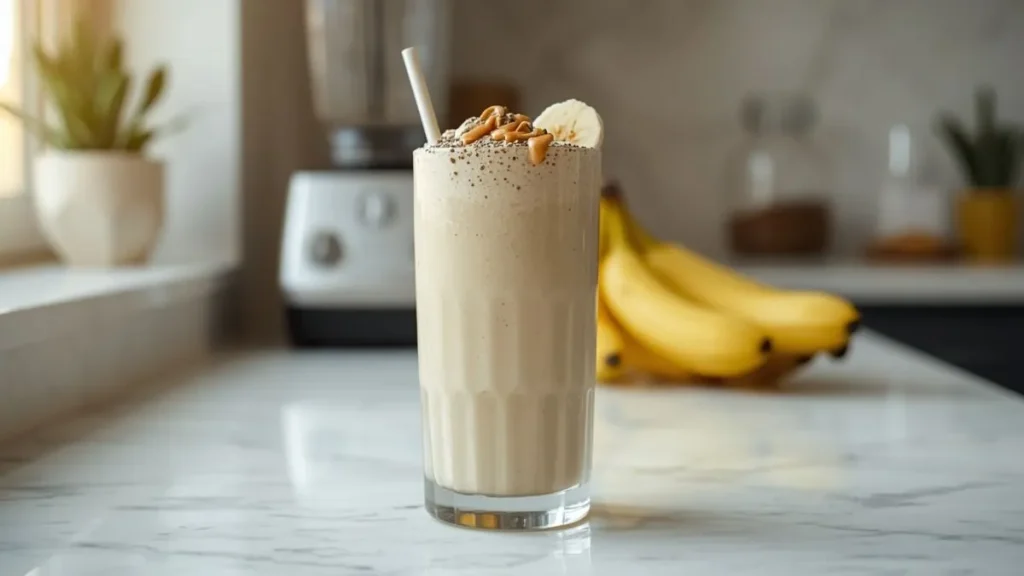
Is a protein shake for breakfast actually healthy? Yes — when made with the right ingredients, a protein shake for breakfast is a genuinely healthy choice. It supports satiety, boosts metabolism, and helps maintain muscle mass, especially on busy mornings when a full cooked meal isn’t realistic. But the quality of your ingredients and how consistently you balance it with whole foods makes all the difference.
About This Article
This guide was written by Sawera Azeem of Sawera Cooking, based on personal experience using breakfast protein shakes during busy mornings, combined with verified nutritional information. Everything here is written for everyday home kitchens.
Are Protein Shakes Good for Breakfast?
A protein shake is a good breakfast option when it includes the right balance of protein, healthy fats, fiber, and carbohydrates. Research published in the American Journal of Clinical Nutrition confirms that a high-protein breakfast reduces hunger hormones like ghrelin and keeps you fuller longer compared to a high-carbohydrate meal. A well-built shake can deliver 20–30 grams of protein and sustain energy for 3–4 hours.
The keyword is balance. A shake made from quality protein powder, whole milk or almond milk, a banana, and a tablespoon of chia seeds is a genuinely complete breakfast. A shake made from cheap powder loaded with artificial sweeteners is not.
What makes a protein shake a complete breakfast:
- Protein — supports muscle maintenance and satiety
- Carbohydrates — provide immediate energy (banana, oats, or berries)
- Healthy fats — sustain energy and slow digestion (nut butters, flax seeds)
- Fiber — improves blood sugar control and gut health (chia seeds, oats)
Without all four components, a shake may leave you hungry before lunch.
The Biggest Reason Most People Turn to Protein Shakes: Busy Mornings
One of the most honest reasons protein shakes work is simple: they take 2 minutes. On a busy morning — school runs, early meetings, grab-and-go commutes — the choice is often between a protein shake and skipping breakfast entirely. Between those two options, the shake wins every time.
You can even do basic meal prep the night before: measure your powder and dry ingredients into the blender cup, refrigerate your milk or almond milk, and blend in the morning. The whole process takes under 2 minutes and gives you a portable, filling breakfast that travels with you.
For anyone who genuinely cannot spend 30 minutes making eggs or oatmeal every morning, a protein shake is not a compromise — it is a practical, smart solution.
Milk or Water: Which Is Better for Your Goals?
The liquid base you choose changes the nutritional profile of your shake significantly. This is one of the most common mistakes people make without realizing it.
| Base Liquid | Best For | Approximate Calories Added | Key Benefit |
|---|---|---|---|
| Water | Weight loss, cutting | 0 kcal | Pure protein, lowest calories |
| Almond Milk (unsweetened) | Weight management, dairy-free | 30–40 kcal | Low-calorie, plant-based, creamy texture |
| Oat Milk | Energy and endurance | 90–120 kcal | Natural carbs, smooth flavor profile |
| Whole Milk | Children, underweight, muscle building | 150 kcal | Protein + calcium + calories |
| Skimmed Milk | Moderate calorie, high protein | 80 kcal | High protein, lower fat |
For weight management: Use water, unsweetened almond milk, or skimmed milk. You get full protein without extra calories.
For growing children or those who need more calories: Always use whole milk. The combination of protein, calcium, and healthy fat is essential for development.
Are Protein Shakes Good for Breakfast for Weight Loss?
Yes — a protein shake for breakfast is one of the most effective strategies for weight loss, when used correctly. Protein has a high thermic effect: the body burns 20–30% of protein’s calories just to digest it, compared to only 5–10% for carbohydrates. This means a 200-calorie protein shake effectively costs your body more energy to process than a 200-calorie bowl of sugary cereal.
More importantly, protein regulates hunger hormones. It suppresses ghrelin (the hormone that tells you you’re hungry) and supports leptin (the hormone that signals fullness). A 2015 study in Obesity found that participants who ate a high-protein breakfast consumed significantly fewer calories at lunch.
For weight loss, the right shake looks like this:
- 1 scoop whey or plant-based protein powder (20–25g protein)
- 1 cup unsweetened almond milk or water
- ½ cup frozen berries (fiber + antioxidants)
- 1 tbsp chia seeds (fiber + healthy fats)
- Optional: ½ tsp cinnamon (blood sugar support)
Avoid adding sweeteners, flavored syrups, or high-sugar fruit juices — these turn a healthy shake into a calorie trap.
If you enjoy cold refreshing drinks that are naturally low in sugar, this fresh strawberry lemonade uses real fruit with no added sweeteners — a great pairing for a light morning routine.
Are Protein Smoothies Healthy for Breakfast? (Shake vs Smoothie)
A protein shake and a protein smoothie are often used interchangeably, but there is a meaningful difference. A protein shake is typically just protein powder mixed with a liquid. A protein smoothie blends whole ingredients — fruits, greens, seeds, oats — which adds fiber, vitamins, and minerals that a plain shake lacks.
Protein smoothies are generally the healthier option for breakfast because they are more nutritionally complete. Adding half a cup of oats, a handful of spinach, or a tablespoon of nut butters turns a simple protein drink into a genuinely balanced meal.
Simple upgrade: Next time you make a shake, add one whole ingredient — frozen berries, half a banana, or a scoop of Greek yogurt. This small change significantly improves the nutritional value and keeps you full longer.
If you enjoy fruit-based drinks in the morning, this mango lassi without yogurt is a creamy, naturally protein-adjacent drink the whole family loves.
Is It Safe for Everyone? Children, Adults, and Older Adults
Not all protein shakes are appropriate for all age groups. Here is an honest, practical breakdown:
For Adults (18–60)
Safe and beneficial for most healthy adults. Choose a powder with a clean ingredient list — minimal artificial sweeteners, no proprietary blends that hide doses, and ideally third-party tested. Whey protein is fast-absorbing and ideal post-workout or in the morning. Casein protein digests more slowly, providing longer-lasting satiety — useful if you eat lunch late.
For Children Under 18
Growing children need protein, but they should get it from whole food sources first — eggs, milk, legumes, and nuts. High-dose protein supplements are not appropriate for children without medical guidance. A much better and safer option is a homemade natural shake: blend whole milk, a banana, 4–5 dates, and a handful of almonds. This provides natural protein, calcium, iron, and healthy fats with zero chemicals.
For Older Adults (60+)
Older adults actually have higher protein needs due to age-related muscle loss (sarcopenia). A clean protein shake can be genuinely beneficial. However, those with kidney conditions should consult a doctor before significantly increasing their protein intake.
No Protein Powder? Build a Powerful Shake from Pantry Staples
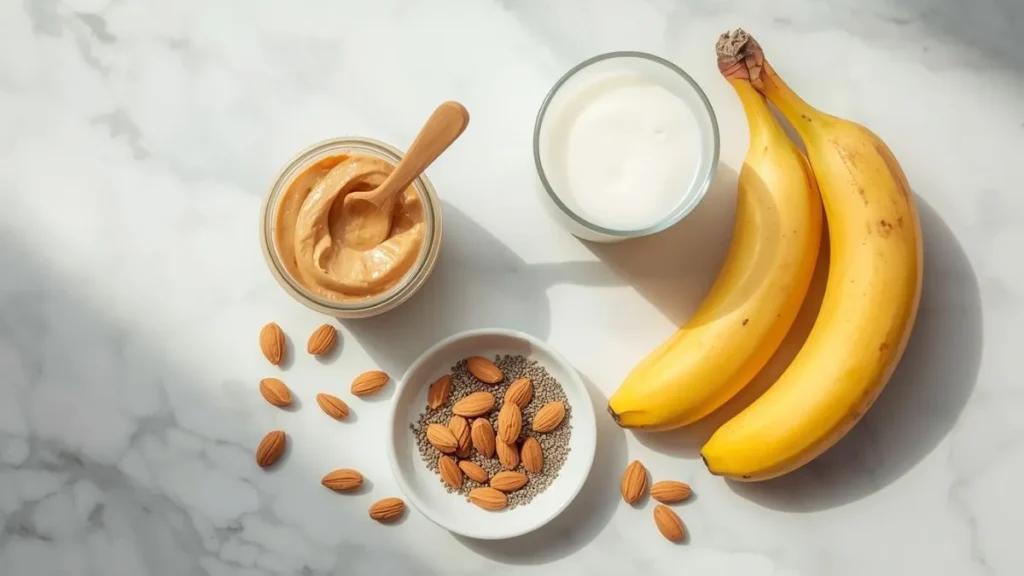
Running out of protein powder does not mean skipping the protein. Your kitchen likely has everything you need already. These whole-food protein sources work as direct substitutes and provide clean, natural protein without additives:
| Pantry Staple | Protein Content | How to Use |
|---|---|---|
| Greek Yogurt (½ cup) | ~10–12g protein | Blend directly — adds creaminess |
| Peanut Butter (2 tbsp) | ~8g protein | Great with banana and oat milk |
| Chia Seeds (2 tbsp) | ~5g protein | Add to any blend — also adds fiber |
| Silken Tofu (¼ cup) | ~6g protein | Neutral flavor, very smooth texture |
| Hemp Seeds (3 tbsp) | ~10g protein | Complete amino acid profile |
| Cottage Cheese (¼ cup) | ~7g protein | Creamy, mild, blends beautifully |
A shake made with Greek yogurt, almond milk, frozen berries, and a tablespoon of nut butters delivers roughly 15–18 grams of clean, natural protein with no powder at all.
5 Real Benefits of a Protein Shake for Breakfast
These are not marketing claims. Each benefit has a clear physiological basis.
1. Sustained Energy Without the Crash
Sugary cereals and white-flour paratha both cause a rapid blood sugar spike followed by a crash — that mid-morning fog and sudden hunger. Protein digests slowly and does not cause this spike. When combined with complex carbs (oats, bananas) and healthy fats (almond butter, flax seeds), it creates a genuinely steady energy curve throughout the morning.
2. Muscle Recovery and Maintenance
After 7–8 hours of sleep, your body enters a mildly catabolic state — it begins breaking down muscle tissue for amino acids because it has run out of overnight fuel. A morning protein shake immediately counters this, supplying the amino acids your muscles need for repair and maintenance. This is especially important if you exercise in the morning.
3. Metabolism Boost Through Thermic Effect
As noted above, protein requires significantly more energy to digest than fat or carbohydrates. This is called the thermic effect of food (TEF). Breakfast is an ideal time to leverage this because your metabolic rate is naturally elevated in the morning.
4. Skin, Hair, and Nail Support
Protein is the raw material for keratin (hair and nails) and collagen (skin structure). A consistent morning protein intake supports the continuous production of these structural proteins. Adding flax seeds contributes omega-3 fatty acids, which further support skin health and help reduce inflammation.
5. Heart Health Support
A shake built with flax seeds, almonds, or walnuts delivers omega-3 fatty acids and plant sterols that have been shown to reduce LDL (bad) cholesterol. This is a meaningful long-term benefit that a sugary breakfast cereal simply cannot offer.
Potential Downsides: What You Should Know Before Starting
Honest information means covering the full picture.
Digestive discomfort: Whey protein contains lactose, which some people cannot digest easily. If you experience bloating, gas, or heaviness, switch to a lactose-free whey isolate or a plant-based protein (pea, hemp, or rice protein). This is one of the most common issues people face when starting, and the easiest to fix.
Artificial sweeteners: Many budget-friendly powders use sucralose, acesulfame-K, or aspartame to keep calories low while tasting sweet. Regular consumption of these sweeteners has been linked in some research to changes in gut health microbiome. If clean eating matters to you, look for powders sweetened with stevia or monk fruit, or unsweetened varieties.
Nutritional gaps from whole foods: Liquid meals digest faster than solid food and lack the chewing-based digestive signals that whole food provides. If you drink only shakes every day, your body misses the dietary fiber and phytonutrients that come from whole grains, vegetables, and traditionally prepared food. This is why balance with whole food breakfasts matters.
Calorie stacking: Shakes are highly customizable — which is both a strength and a trap. Adding multiple nut butters, full-fat dairy, fruit, and sweeteners can easily push a “healthy” shake past 600–700 calories without you realizing it.
Are Protein Shakes Good for Breakfast Every Day?
This is the most frequently asked question, and the honest answer is: yes, with one important condition.
A well-balanced protein shake is safe and beneficial as a daily breakfast. However, giving your digestive system 2–3 mornings per week of traditional whole-food breakfasts — eggs, oatmeal, whole wheat roti, or lentils — is genuinely good practice. Chewing whole food activates digestive enzymes, provides insoluble fiber that feeds beneficial gut bacteria, and maintains the body’s natural digestive rhythm.
Suggested weekly pattern:
- 4–5 days: protein shake breakfast
- 2–3 days: whole food breakfast (eggs, oats, or traditional cooked meal)
This is not a strict rule — it is simply a practical approach to maintaining gut health while enjoying the convenience of shakes on most mornings.
Are Premier Protein Shakes Healthy for Breakfast?
Premier Protein is one of the most searched ready-to-drink shake brands in the US market. Each carton delivers approximately 30 grams of protein and 160 calories, with very low sugar content. For a grab-and-go breakfast option, it is genuinely one of the more nutritionally efficient choices available.
The main concern with any ready-made shake — including Premier Protein — is the use of artificial sweeteners (sucralose in this case) and the lack of fiber. If using these regularly, consider pairing with a piece of fruit or a handful of chia seeds to add fiber and make it a more complete meal.
For most healthy adults, an occasional Premier Protein shake as breakfast is fine. As a daily long-term replacement for all whole-food breakfasts, it is not the ideal approach.
Troubleshooting: Common Mistakes and How to Fix Them
| Problem | Likely Cause | Fix |
|---|---|---|
| Still hungry after 1 hour | Not enough fiber or fat | Add chia seeds, nut butter, or oats |
| Bloating or gas | Whey protein (lactose) | Switch to whey isolate or plant-based protein |
| Shake tastes chalky | Wrong liquid ratio or poor quality powder | Use more liquid; try a different brand |
| Energy crash by 10 AM | Too much fruit sugar, no fat or fiber | Reduce fruit; add almond butter or flax seeds |
| Shake too thick to drink | Too many frozen ingredients | Add more liquid; use a high-speed blender |
| Not losing weight despite shakes | Hidden calories in add-ins | Track total calories; switch to water base |
Storage and Safety Notes
- Prepared shakes: Best consumed immediately. If you must store, refrigerate in a sealed container for no more than 24 hours.
- Protein powder: Store in a cool, dry pantry away from direct sunlight. Once opened, most powders last 6–12 months if sealed properly.
- Allergen alert: Whey protein is a dairy product. Those with lactose intolerance or milk allergies should use plant-based alternatives. Many powders also contain soy — check labels if you have a soy sensitivity.
- Homemade natural shakes (milk, banana, dates, almonds): consume within 12 hours; do not leave at room temperature for more than 2 hours.
The Final Verdict: Is a Protein Shake Healthy for Breakfast?
Yes — with the right ingredients and realistic expectations.
A protein shake built from quality protein, a clean liquid base, and whole-food add-ins is a genuinely healthy breakfast. It manages hunger, supports muscle health, boosts metabolism, and works perfectly on the busiest mornings. It is not a magic weight-loss solution, but it is a smart, practical, and nutritionally sound choice when used thoughtfully.
The shakes that fail people are not protein shakes — they are sugar-delivery vehicles dressed up in fitness branding. Read your labels, build your shake with real ingredients, and treat it as one useful tool in a varied diet — not a replacement for all whole foods.
Try this simple baseline shake to start: 1 scoop protein powder + 1 cup unsweetened almond milk + ½ frozen banana + 1 tbsp chia seeds + 5 almonds. Blend for 45 seconds. Done.
If you enjoy building healthy, refreshing drinks at home, explore more on Sawera Cooking:
- Iced coffee with condensed milk — a creamy, energizing morning alternative
- Rose milk drink — a fragrant, naturally refreshing option when you want something lighter
FAQ SECTION
Frequently Asked Questions
Are protein shakes healthy for breakfast?
Yes, protein shakes are healthy for breakfast when made with quality ingredients. A well-balanced shake with 20–30 grams of protein, fiber, and healthy fats supports satiety, energy, and muscle maintenance. Avoid powders with excessive artificial sweeteners or hidden sugars for best results.
Are protein shakes good for breakfast to lose weight?
Yes. Protein has a high thermic effect — the body burns 20–30% of its calories just digesting it. It also suppresses ghrelin (hunger hormone) and prevents mid-morning cravings. Use water or unsweetened almond milk as your base, and avoid adding sweeteners or high-calorie extras.
Can you drink a protein shake for breakfast every day?
Yes, but balance matters. Drinking a protein shake 4–5 mornings per week is perfectly healthy for most adults. On the remaining days, eat a traditional whole-food breakfast — eggs, oatmeal, or whole grain options — to maintain gut health and get the dietary fiber your body needs.
Are protein smoothies healthier than protein shakes for breakfast?
Protein smoothies are generally more nutritionally complete because they blend whole ingredients like fruit, oats, seeds, and greens alongside protein. A plain protein shake (powder + liquid only) lacks fiber. Adding even one whole ingredient — frozen berries or chia seeds — significantly improves the nutritional value.
Are Premier Protein shakes healthy for breakfast?
Premier Protein shakes provide 30 grams of protein in approximately 160 calories, making them an efficient grab-and-go breakfast. The main limitation is the use of artificial sweeteners and low fiber content. Pairing one with a piece of fruit adds the fiber needed to make it a more complete meal.
What should I add to my protein shake to make it a complete breakfast?
To make a protein shake a complete breakfast, add: a protein source (powder or Greek yogurt), a carbohydrate (banana, oats, or frozen berries), a healthy fat (nut butter, flax seeds, or chia seeds), and a liquid base. This combination provides sustained energy, fullness, and essential nutrients.
Is a protein shake for breakfast good for kids?
High-protein supplement powders are not recommended for children without medical advice. Instead, make a natural homemade shake using whole milk, a banana, dates, and almonds. This provides natural protein, calcium, and healthy fats without the additives present in commercial protein supplements.
Healthy Breakfast Protein Shake
A clean, balanced morning shake built on almond milk, banana, chia seeds, and protein powder. Ready in 2 minutes — genuinely filling until lunch. This is the baseline recipe from the article, tested and refined for busy mornings.
- 1 scoop protein powdervanilla or unflavored — ~25g protein
- 1 cup unsweetened almond milkor oat milk / whole milk based on your goal
- ½ frozen bananafreeze overnight for creamier texture
- 1 tbsp chia seeds
- 5 raw almonds
- ¼ tsp cinnamonoptional — supports blood sugar
- Handful frozen berriesoptional — adds antioxidants + color
- High-speed blender
- Measuring cups & spoons
- Tall serving glass
- Add liquid firstPour 1 cup of almond milk into the blender. Starting with liquid prevents powder from clumping at the bottom.
- Add protein powderAdd 1 scoop of protein powder on top of the liquid.
- Add whole food ingredientsAdd the frozen banana, chia seeds, almonds, and any optional add-ins — cinnamon or frozen berries.
- BlendBlend on high speed for 30–45 seconds until completely smooth and creamy.
- Serve immediatelyPour into a tall glass. Consume right away for best texture. If needed, refrigerate up to 12 hours in a sealed jar.
- For weight loss, use water or unsweetened almond milk — this keeps the shake under 220 kcal.
- For children or those needing more calories, use whole milk and add an extra half banana.
- No protein powder? Replace with ½ cup Greek yogurt + 1 tbsp peanut butter for ~15g natural protein.
- Blending feels thick? Add 2–3 tbsp more liquid and blend again — do not add ice (dilutes flavor).
- Prep your dry ingredients the night before in the blender cup — blend takes under 1 minute in the morning.
- Allergen note: Whey protein contains dairy. If lactose-intolerant, use plant-based (pea or hemp) protein.